







10 Signs Your Pet Has an Ear Infection and What You Can Do to Help

Dog with Ear Infection

10 Signs Your Pet Has an Ear Infection and What You Can Do to Help

Warm weather has arrived. Along with the sunshine comes seasonal activities and allergies that can exacerbate ear problems for both cats and dogs. While our pets love to play outside in the pleasant weather, it’s important to keep an eye on their ears to make sure they stay healthy and free from bacterial and fungal infections – especially if they enjoy swimming and rolling around in the grass.

What Causes Ear Infections in Dogs and Cats?

An excessive amount of bacteria or fungus (like yeast) growing in a pet’s ears causes infection. There is a long list of reasons why cats and dogs can develop ear infections. Two of the most common, however, are allergies to pollen or foods and excessive moisture in the ears. Ear mites are another prevalent cause of ear infections.
Ear Infection in Cats

10 Common Signs of Ear Infections in Dogs and Cats

1. Head Shaking

Pets often shake their heads when trying to find relief from irritated ear canals.

2. Excessively Scratching or Pawing at the Ears

Pets with an infection might experience pain and itchiness, leading them to scratch.

3. Odor

Fungal and bacterial infections emit an unpleasant odor.

4. Discharge

You might notice a brown-colored discharge in and around the ears.

5. Disorientation

Pets with ear infections can become off-balance and disoriented due to pressure changes in the inner-ear.

6. Swelling

Ears and the surrounding areas of your pet’s face and head might become swollen.

7. Redness

An ear infection can cause redness inside and around the ears.

8. Scabs or Crust

You might notice scabbing or crustiness in and around the ears.

9. Head Shyness

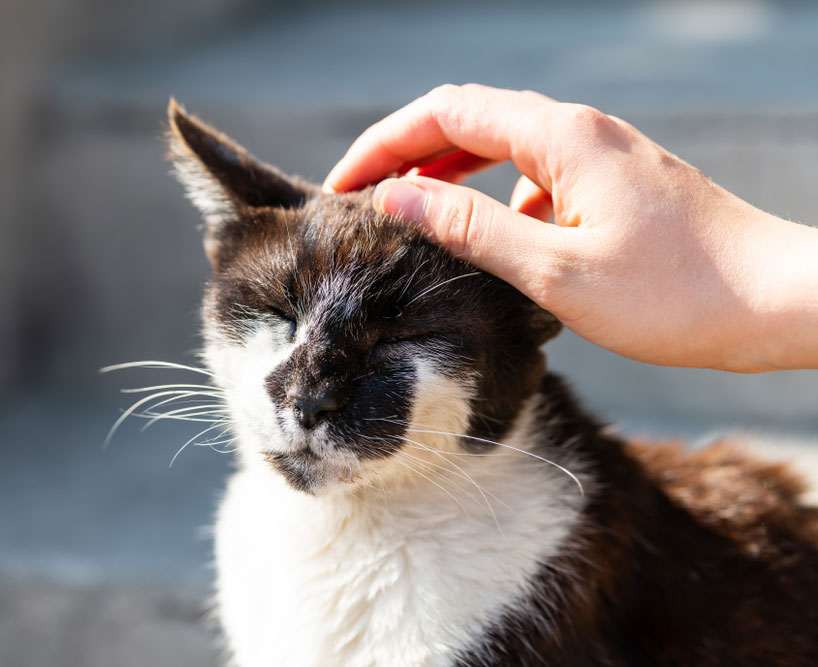
Pets with painful ears often avoid having their ears handled or their head patted.

10. Whimpering

In pain, pets often try to mask their symptoms, but you might notice your pet whimpering or whining.
Pet with Ear Infection

What to Do If You Think Your Pet Has an Ear Infection

If you notice ear infection symptoms in your pet, schedule a veterinary appointment right away. Dr. Cooper will examine your pet’s ears and perform diagnostic tests to determine the specific cause of your pet’s infection – be it allergies, mites, bacteria, or fungus. We will then clean up your pet’s ears and prescribe an appropriate treatment to clear the infection. We might also provide you with instructions for at-home care and prevention, such as gentle ear cleanings of your own.
To learn more about ear infections, allergies, and your pets, we welcome you to schedule an appointment with Dr. Cooper at Compassion Animal Hospital in Woodland Park.

Celebrate National Microchipping Month In May:

Microchip Your Pet

Celebrate National Microchipping Month in May with 5 Reasons to Microchip Your Pet

There’s almost nothing more stressful than losing a pet. No one intends to have their cat or dog go missing, but unfortunately it happens all the time. In the event your pet escapes the yard or breaks off his leash, you’ll want him to have a microchip.

What Is a Pet Microchip?

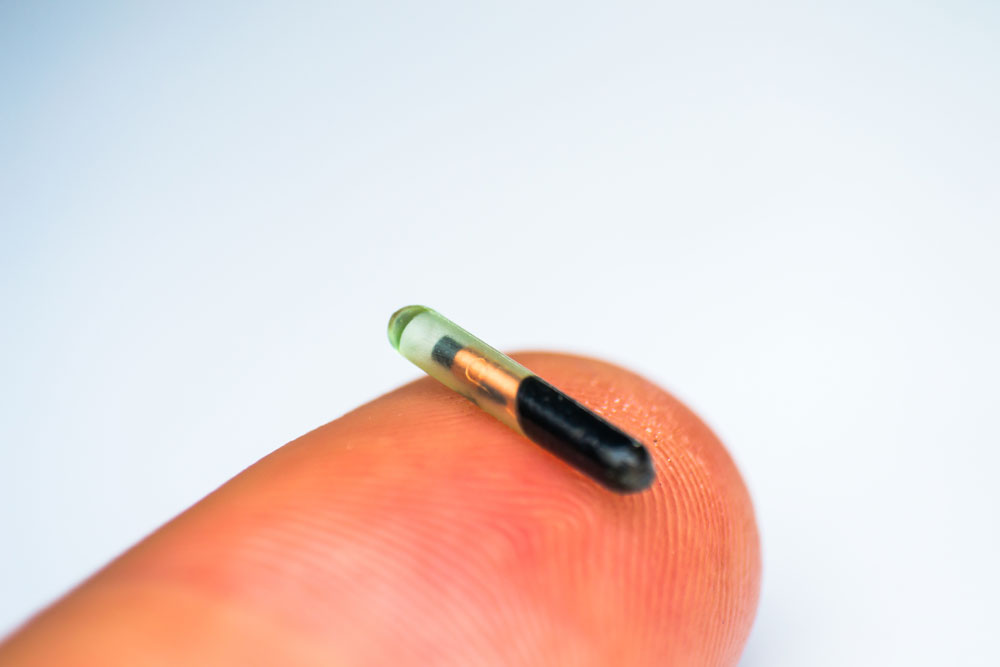
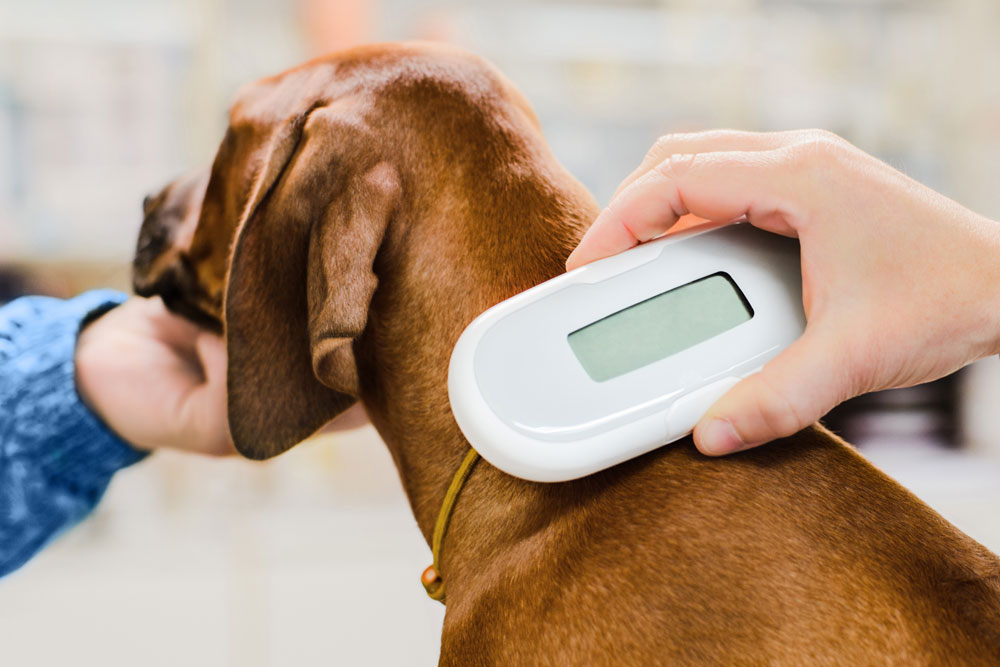
A pet microchip is an encapsulated computer chip (about the size of a grain of rice) that holds an identifying number. This identifying number is registered in a secure database along with the pet owner’s contact information. When a missing pet’s chip is scanned, the number is read, searched in the database, and the owner is contacted.
Pet Microchipping

5 Reasons Why We Recommend Microchips for All Cats and Dogs

1. Tags Are Unreliable

ID tags with owner contact information attached to your pet’s collar simply aren’t reliable. They fall off and wear out, becoming unreadable, all the time.

2. Indisputable Proof of Ownership

Microchips provide unquestionable proof of ownership. If your pet is stolen, she can’t speak for herself to tell authorities who her true family is, but a microchip can.

3. Increase the Chance of Reuniting with a Lost Pet

According to a study cited by the AVMA:
According to another study, dogs with microchips are 2.5 times more likely to be reunited with their owners, and cats with microchips are 20 times more likely to return home.

4. Safe and Simple to Use

Microchips are completely safe for pets. Having one inserted is a quick and almost painless procedure that’s similar to getting a vaccination.

5. Permanent Solution to Identification

Microchips provide a permanent, life-long solution to identifying your pet. One microchip will last a lifetime. To make sure it’s effective, you’ll need to be sure to keep your current contact information registered in the national database.
Microchipping Appointment for Your Woodland Park Pet

Schedule a Microchipping Appointment for Your Woodland Park Pet

If you’re still relying on outdated collar ID tags for your pet’s safety, we strongly recommend getting a microchip for your pet. We all cherish our pets and do everything we can to keep them safe, but they can still get lost or stolen. To improve the odds that your pet will be safely returned, schedule a microchipping appointment with Compassion Animal Hospital. We’ll microchip your pet and provide you with instructions to register your contact information in the national microchipping database.