

















How to Be a More Responsible Dog Owner for Responsible Dog Ownership Month

How to Be a More Responsible Dog Owner for Responsible Dog Ownership Month

September is National Responsible Dog Ownership Month, and we like to celebrate by helping people learn more about what responsible dog ownership entails. While adopting a new pet can be a great source of joy in anyone’s life, it is not a decision to take lightly because dog ownership does come with quite a bit of responsibility. Consider the following tips to ensure you’re being a responsible dog owner.
how-to-be-a-more-responsible-dog-owner-for-responsible-dog-ownership-month-strip1

7 Tips on How to Be a Responsible Dog Owner

how-to-be-a-more-responsible-dog-owner-for-responsible-dog-ownership-month-strip2

1. Health, Wellness, and Veterinary Care

Dogs need ongoing care to maintain good health and prevent illness. This includes routine veterinary appointments for checkups, vaccinations, and parasite prevention.

2. Exercise and Enrichment

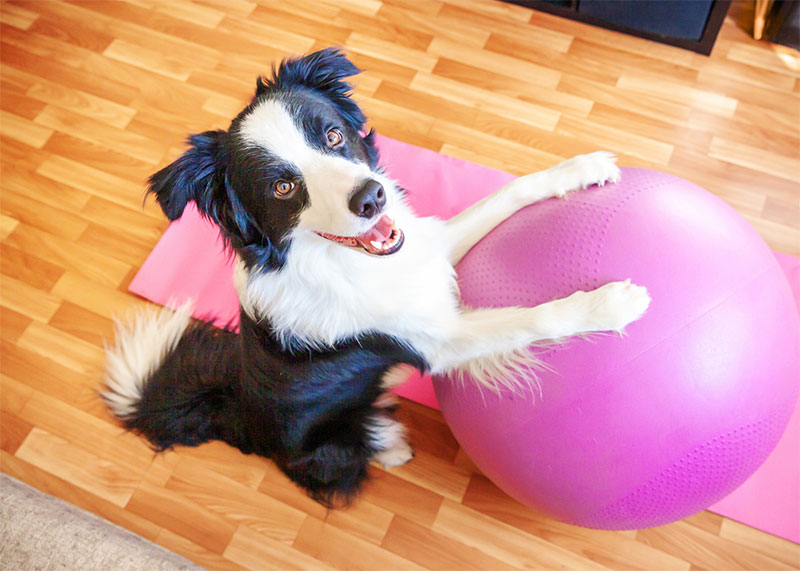
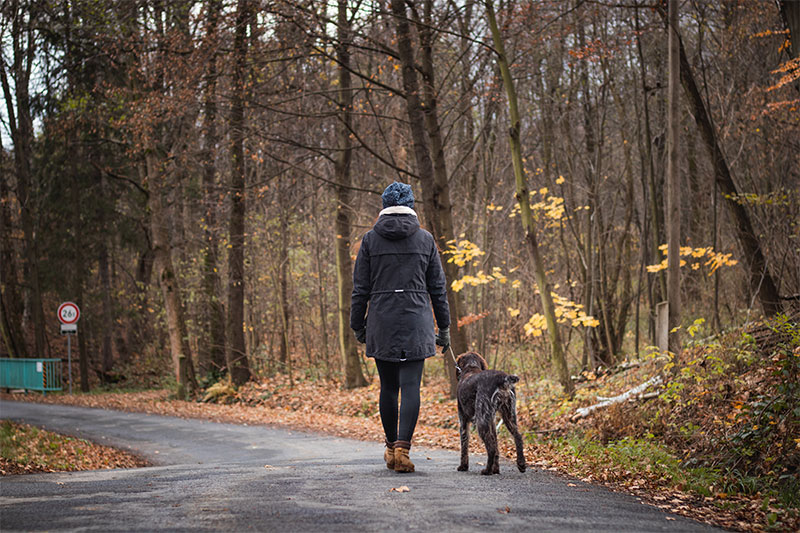
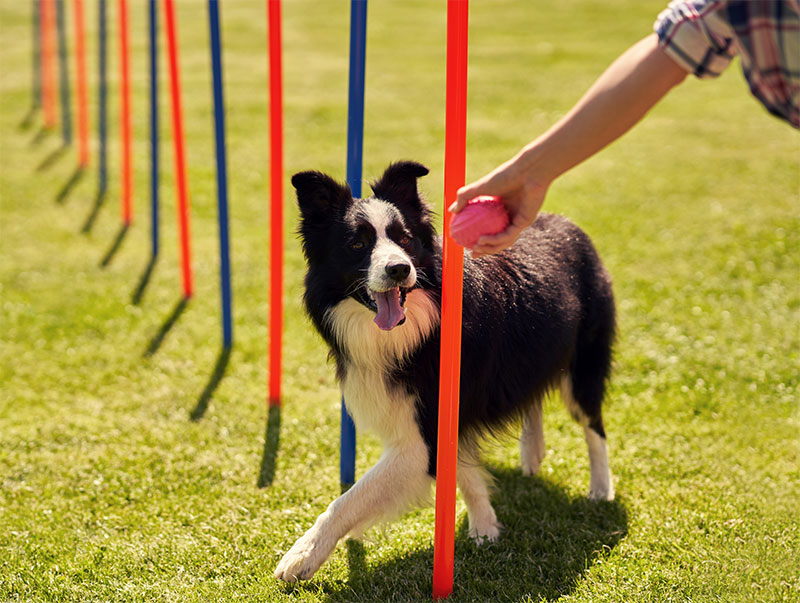
Dogs require lots of exercise and activities to keep their bodies and minds healthy and happy. Some breeds, such as working or racing breeds, require more exercise than others. Be sure you make time in your schedule to play with your dog and them for plenty of walks.

3. Nutrition

Nutrition provides the building blocks for your dog’s health and wellness. It not only gives your dog’s body everything it needs to function and stay well but proper nutrition can also help maintain your dog at a healthy weight. Feed your dog a diet of high-quality food in the right portions.

4. Training and Socialization

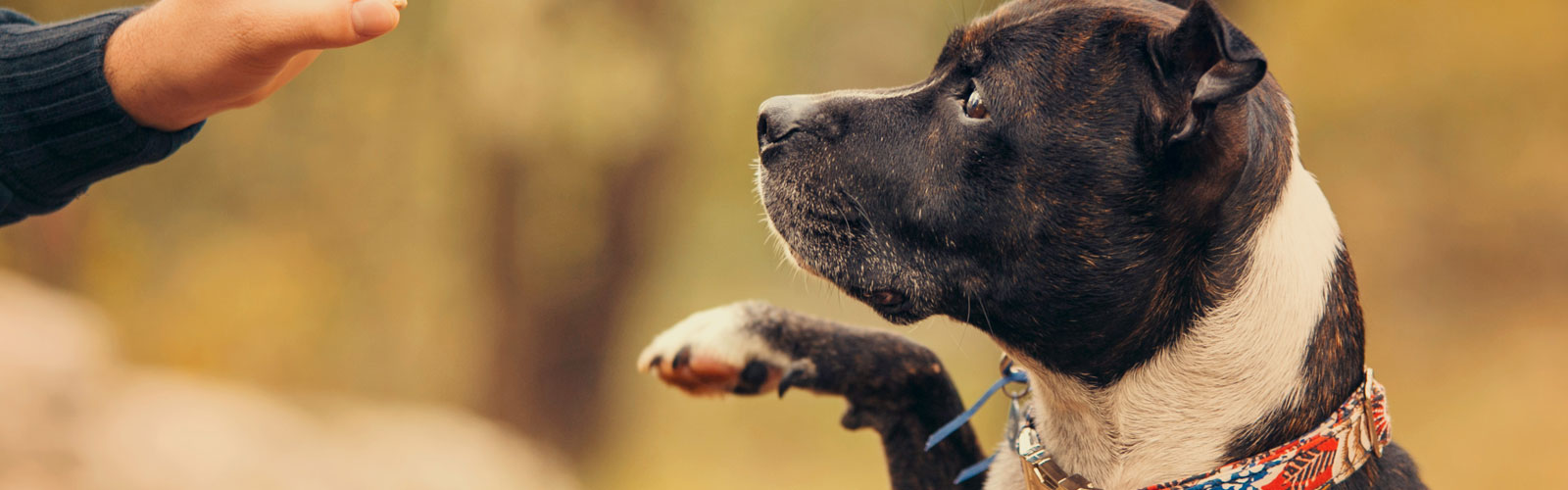
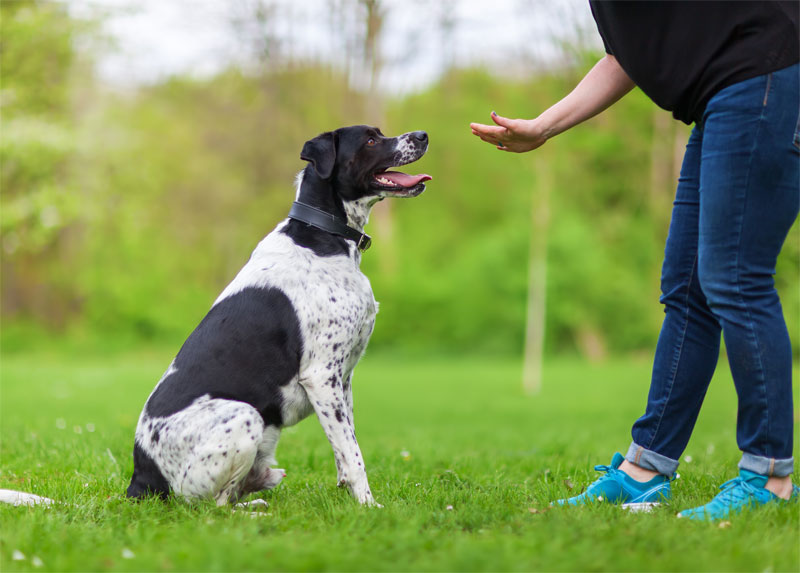
To function safely in the world and get to experience as much as possible with you, dogs need to be properly trained and socialized so that they know what to expect in the world and how they are expected to behave in it.

5. Grooming

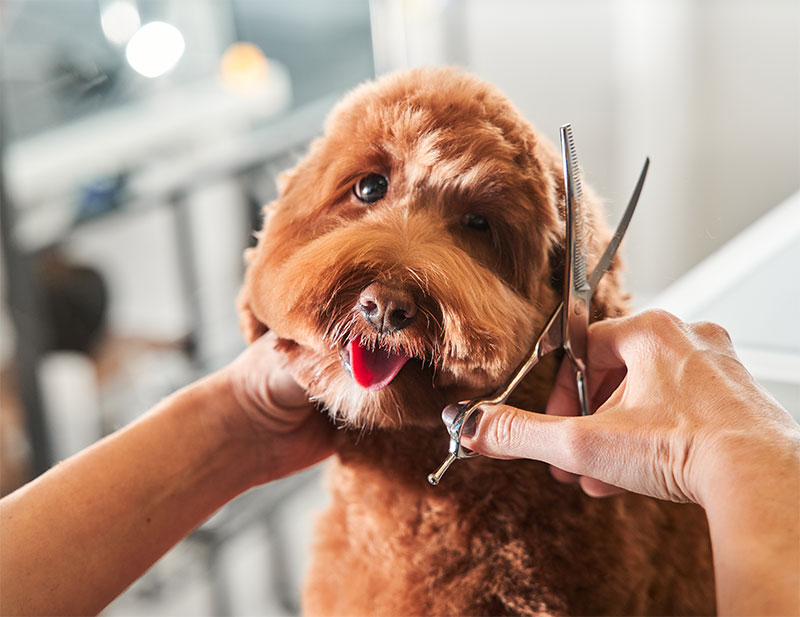
Some dog breeds require more grooming than others. However, all dogs will need a bath and brushing occasionally in addition to nail trims and ear cleanings.

6. Safety

Responsible dog owners create safe environments for their pets by pet-proofing their households and yards.

7. Permanent Identification

It’s also responsible to have your pet microchipped in addition to providing them with a collar and ID tags.
how-to-be-a-more-responsible-dog-owner-for-responsible-dog-ownership-month-strip5

Schedule an Appointment for You and Your Dog at Compassion Animal Hospital

When it comes to being a responsible dog owner, veterinarians can do a lot to help you learn the ropes of pet ownership while also helping you to keep your pet healthy and happy. We welcome you to schedule an appointment for your dog with our veterinarian to learn more about caring for and training your pet, meeting all of their needs, and helping them to live a full and long life.

Why Won’t My Dog Listen?

Why Won't My Dog Listen?

Without training, our dogs would simply be wild animals. It’s their willingness to exist and interact with us in addition to pleasing their owners that make dogs so wonderful to live with. Plus, proper training helps our dogs have happier and healthier lives. So, what if your dog is struggling to behave? Understanding the reasons why your dog might not be listening can help you address the issues and improve your dog’s behavior.
why-wont-my-dog-listen-strip1

6 Reasons Why Your Dog Is Not Listening to You

why-wont-my-dog-listen-strip2

1. Too Much Energy

If your dog has a lot of energy, they are going to have a tough time focusing on training and listening to your commands. Take your dog out for long walks or play vigorous games of fetch in a big (enclosed) area to burn that energy before settling in for a good training session.

2. Too Many Distractions

Dogs can get easily distracted. Consider the environment you’re training your dog in. If there are a lot of distractions (squirrels, traffic, other dogs, or food smells), then your dog might have a tough time focusing on your voice and listening to your commands.

3. Boredom

Bored dogs tend to act out with undesirable behaviors such as disobedience and destruction. If your dog’s exhibiting these behavior patterns, then add more enrichment into his or her life with more play, exercise, challenges, and toys.

4. You've Forgotten Positive Reinforcement

Dogs need lots of positive reinforcement like praise, love, and treats when they obey commands. If you let rewards slide, your dog might stop listening too.

5. Your Dog Might Be Overwhelmed

Trying to teach your dog too many new commands at once can be overwhelming and confusing, leading dogs not to listen.

6. Your Dog Might Be Sick

If your once obedient dog has suddenly stopped listening to your commands, this could indicate an underlying health problem. Behavior changes like this can occur when a dog is unwell. You should schedule a veterinary examination as soon as possible.
why-wont-my-dog-listen-strip4

Canine Behavior Counseling at Compassion Animal Hospital

If you’re having trouble training your puppy or if your dog has suddenly become disobedient, we strongly encourage you to schedule a checkup and behavior counseling appointment with our veterinarian at Compassion Animal Hospital in Woodland Park. We can examine your pet to rule out any underlying health conditions that might be contributing to their behavior problems and also provide you with some helpful tips and tricks for training your dog.
To learn more or schedule an appointment, we welcome you to contact our office today.

How to Care for Your Pet in the Summer Heat

How to Care for Your Pet in the Summer Heat

The heat of summer is here. While it’s a fantastic time to get outdoors with your pets for some fun in the sun, it’s also a time to be aware of your pet’s hydration and the dangers of heat exhaustion while taking steps to protect your pet from both of these health hazards.
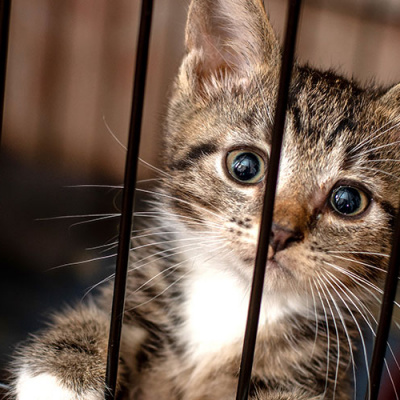
how-to-care-for-your-pet-in-the-summer-heat-strip1

5 Tips to Keep Your Pet Safe in the Summer Heat

how-to-care-for-your-pet-in-the-summer-heat-strip2

1. Stay Hydrated

The best way to avoid heatstroke is to keep your pets hydrated. Make sure they have access to plenty of cool, fresh water at all times. If your pet is reluctant to drink enough water, help to encourage their hydration by soaking their kibble in water before feeding time, putting ice cubes in their water, keeping their water dish clean, and/or investing in a water fountain bowl.

2. Take Shelter in the Shade

It’s hottest in the direct sunlight, so providing your pet plenty of shade in the backyard or at the dog park will help them stay cooler.

3. Never Leave Your Pet in the Car

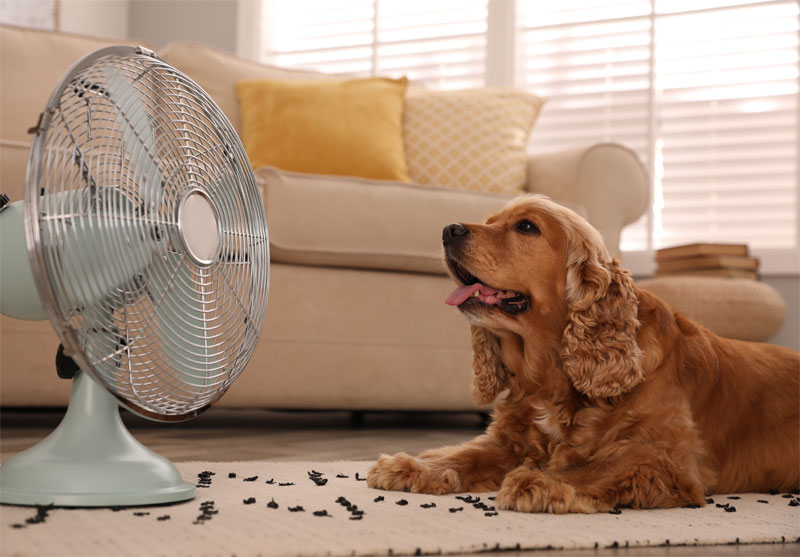
Even on relatively cool summer days, it is too hot inside the car for your pet. On a sunny day, the temperature in the car will reach dangerous heights after just a minute or two.

4. Know the Symptoms of Heatstroke

Heatstroke is incredibly dangerous for pets. Overheating can lead to permanent organ damage and even death. Signs and symptoms include:
If you notice signs of heatstroke in your pet, seek emergency veterinary care immediately.

5. Know Your Pet's Heat Tolerance Level

While all pets are susceptible to heatstroke, certain breeds have a higher or lower heat tolerance than others. For example, cold weather breeds like huskies and malamutes will become overheated in much more quickly and in cooler weather than breeds with lighter coats.
how-to-care-for-your-pet-in-the-summer-heat-strip4

More Summer Pet Safety With Our Woodland Park Veterinarian

In addition to protecting your pet from dehydration and heat exhaustion this summer, remember it’s essential to prevent parasites during this time of year, as well. Our veterinarian at Compassion Animal Hospital can help you ensure your pets are adequately protected from fleas, ticks, and heartworms this summer season.
To learn more or schedule an appointment, we welcome you to contact our office today.

Celebrating Adopt a Shelter Cat Month! Why Adopting Is Better Than Shopping

Celebrating Adopt a Shelter Cat Month! Why Adopting Is Better Than Shopping

June is Adopt a Shelter Cat Month, and we’re using the opportunity to spread awareness to help our community better understand the importance of adopting pets, rather than shopping for and purchasing pets.
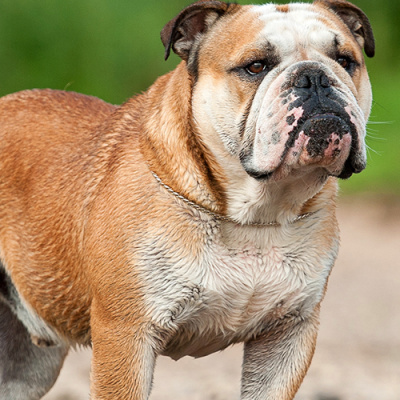
celebrating-adopt-a-shelter-cat-month_strip1

Top 5 Reasons to Adopt a Shelter Pet

celebrating-adopt-a-shelter-cat-month_strip2

1. Adopting Means Saving a Life

Due to limited space and resources, shelter pets are only given a limited time to stay before they are put down. So, when you adopt a pet from a shelter, you’re actually saving that animal’s life.

2. Opening a Space for Another Animal

When you adopt a pet, you also help the shelter make room for another incoming animal that is in need of a safe place with food, shelter, and veterinary care. When you adopt, the extra room in the shelter also helps to keep your entire community’s animal population healthier by preventing stray pets from wandering around and spreading contagious diseases.

3. It Costs Less

Adopting from a shelter is less expensive than purchasing a pet from a breeder. When you adopt from a shelter, you’ll pay a small adoption fee, but the fee includes your pet’s initial vaccinations and spay or neuter procedure. Most often, the fee you pay is way less than the actual cost of these treatments and procedures.

4. You Know What to Expect

Whether your shelter pet was once a stray or was turned in by a family that could no longer care for them, they’ll have more history than a brand-new pet from a breeder. This means you’ll already be familiar with the pet’s behavior, likes and dislikes, and health history when you make the decision to adopt.

5. You'll Have a Best Friend For Life

There’s no better reason to adopt a shelter pet other than the simple fact that you will be bringing home a companion who is loyal for life!
celebrating-adopt-a-shelter-cat-month_strip3
celebrating-adopt-a-shelter-cat-month_strip4

Establish Care With Our Veterinarian in Woodland Park

When you adopt a new pet, the first step in responsible pet ownership is to schedule an appointment with a veterinarian. During this appointment, we’ll establish your pet’s care with Dr. Cooper, perform a thorough physical examination, and provide your pet with recommended wellness and preventative treatments. To learn more about adopting pets from your local shelter or to schedule an appointment, we welcome you to contact Compassion Animal Hospital today.

What You Should Know About Asthma in Pets

what-you-should-know-about-asthma-in-pets_strip1

What You Should Know About Asthma in Pets

Many pet owners do not realize that their pets could suffer from asthma and allergies – just like people can. May is Asthma Awareness Month, and at Companion Animal Health & Rehabilitation Center, we like to take the opportunity to raise awareness by talking with pet owners about asthma in pets.
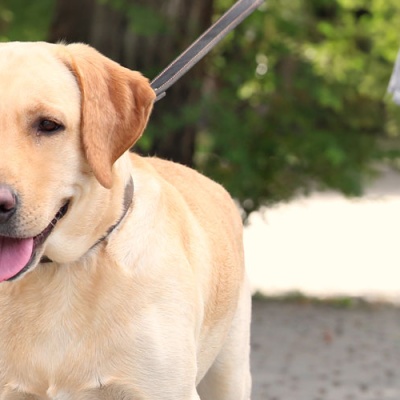
What Is Asthma in Pets?

Asthma is characterized by the inflammation of the tissues inside a pet’s airways that results in constricted breathing. Signs and symptoms of asthma in pets include wheezing, coughing, poor appetite, weakness or lethargy, and pale gums.
what-you-should-know-about-asthma-in-pets_strip2
what-you-should-know-about-asthma-in-pets_strip3

What Causes Asthma in Pets?

Asthma in pets is most commonly caused by allergies. While pets can have allergies to several different things, including foods or flea saliva, asthma is typically caused by allergies that enter the body through the respiratory system. These are called environmental allergens and include things like dust, pollen, mold, mites, dander, smoke, perfume or fragrances, and household chemicals.
When these allergens are breathed in and enter a pet’s respiratory system, the pet’s immune system mistakenly recognizes them as harmful substances (like a virus or bacterium) and attacks. This strong immune response is what causes the inflammation associated with asthma.

How to Treat Asthma in Pets?

Asthma in pets can be treated in a variety of ways. Our veterinarians might recommend taking steps to minimize the allergens your pet is exposed to with regular grooming to keep their coat clean, regular changing of HVAC filters, and the addition of air purifiers to your home.
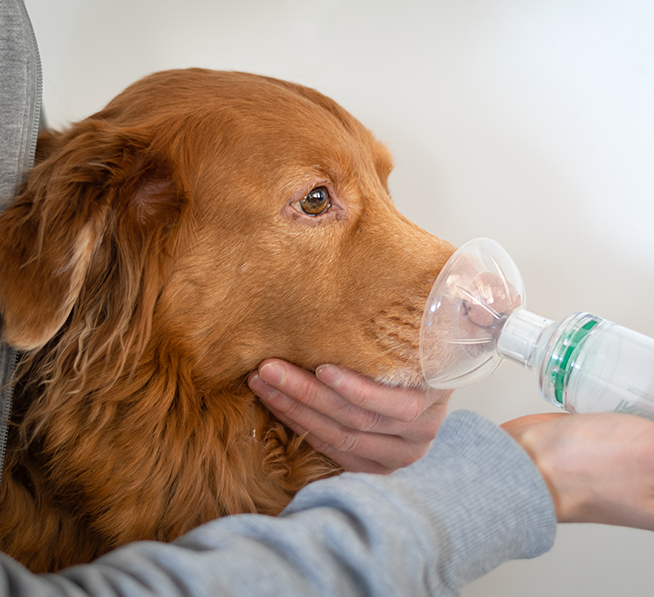
We might also prescribe medications such as steroids to mitigate the immune response, antihistamines to control the inflammation, allergy shots to retrain your pet’s immune system, or even a nebulizer to deliver medications in an aerosol form directly to your pet’s lungs.
what-you-should-know-about-asthma-in-pets_strip4
what-you-should-know-about-asthma-in-pets_strip5

Asthma and Allergy Care for Pets in Escondido

If your pet suffers from allergies and has asthma, too, it’s incredibly important to start working with a veterinarian to manage your pet’s condition. Left untreated and unaddressed, asthma can be dangerous and even fatal in pets. At Companion Animal Health & Rehabilitation Center, our veterinarians have a variety of resources to diagnose your pet’s allergies and provide them with treatment to address and mitigate asthma symptoms at the source.
To learn more about asthma and allergies in pets or to schedule an appointment for your dog or cat, we welcome you to contact our veterinary center in Escondido today.

5 Tips for Better Walks With Your Dog

5 Tips for Better Walks With Your Dog

April is Canine Fitness Month, and we’re using the opportunity to emphasize the importance of exercise for dogs while also providing our clients with some advice to make it easier to help their dogs get enough exercise on a daily basis.

5-tips-for-better-walks-with-your-dog-strip1

Why Exercise Is Important for Dogs

Dogs need regular exercise to keep their bodies and their minds healthy. Without enough exercise, they risk becoming overweight which can cause a variety of serious health problems. They also risk developing joint problems. Additionally, dogs needs exercise to stay mentally fit. Regular movement and play keep your dog’s mind busy, enriching their daily lives and slowing the aging process. Without enough exercise, dogs often become depressed and anxious, and they burn energy by acting out aggressively or destructively.
5-tips-for-better-walks-with-your-dog-strip2

5 Tips for Better Walks With Your Dog

5-tips-for-better-walks-with-your-dog-strip3-1

1. Don't Pull Back on the Leash

Dogs have an opposition reflex which results in them naturally pulling back on the leash if a human pulls on it to slow them down. Instead of pulling when they pull, try changing directions and rewarding your dog with a treat when they follow. Eventually, your dog will learn to walk with a loose leash and get used to your slower pace.

2. Bring Plastic Bags

Come prepared to clean up after your dog with a pocket of plastic bags.

3. Get a Dog-Walking Harness

If your dog still pulls a lot, do not attach a leash to their collar. Instead, fit them with a harness that has leash attachments on the back and/or chest area. This will be much safer for your dog and prevent them from injuring their neck (and the delicate parts inside it) while pulling on the leash.

4. Let Them Sniff and Explore

Dogs’ noses are incredibly sensitive, and smell is one of the most important ways they explore the world. To ensure they feel enriched on their walk, let them stop to sniff new smells and even follow a scent trail.

5. Visit Dog-Friendly Locations

If you plan to go further than once around the block with your dog, then be sure to research hiking trails and footpaths first to ensure dogs are allowed.
5-tips-for-better-walks-with-your-dog-strip4

Lifestyle and Nutrition Counseling With Our Woodland Park Veterinarian

To learn more about the importance of exercise for your dog and how to create a healthy daily routine for your pet, we welcome you to schedule an appointment with our veterinarian at Compassion Animal Hospital in Woodland Park.

Your Essential Guide to Bringing Home a Pet

your-essential-guide-to-bringing-home-a-pet-strip1

Your Essential Guide to Bringing Home a Pet

Getting a pet is an exciting experience, but many people don’t fully appreciate the gravity of the situation. Even if you’re bringing home a relatively stationary pet (i.e., a fish or turtle), it takes a lot more time, effort, and money than you might realize. So, it’s imperative to prepare yourself and your home as much as possible before bringing your new friend to live with you. Here are our top tips for what to do before bringing home a pet.

Step One: Buy Pet Products

First and foremost, you need to have all the essentials ready to go for your pet once it arrives. For dogs and cats, these items can include collars, leashes, food and water bowls, and beds. While you might be tempted to go overboard with “fun” products like toys, it’s best to wait and see how your pet reacts. Many pet owners have bought supplies and toys that wound up going to waste. Overall, start with the basics and work your way up from there.
In addition to these products, don’t forget about pet food. Aim to have at least a month’s supply on hand so that you’re not at risk of running out too soon.

Step Two: Pet-Proof the House

If you’re bringing home a dog, cat, or some other animal that will roam free, you need to make sure it won’t cause damage or harm itself in the process. For example, dogs love to chew on things, particularly when they’re bored or stressed out (i.e., when left home alone for extended periods). Likewise, cats like to scratch surfaces to keep their claws from getting too long.
Ideally, you should do your homework to discover what specific pet-proofing needs to be done. Also, consider elements like baby gates, child-proof locks on chemicals, and a crate in which to put your pet when you’re gone.

Step Three: Consider Your New Pet's Needs

Dogs are often the most high-maintenance pets because they require constant care and attention. However, cats can also need lots of effort, including playtime and scratch prevention.
Another point to consider is your living arrangements. For example, if you live in an apartment building, how easy is it to take your dog outside to do its business? Can you utilize pee pads or fake grass to your advantage? Do some research and see how your situation can impact your new pet’s needs.

Care for Your Pet With Compassion Animal Hospital

Another essential component of bringing home a new pet is knowing where to take it for checkups and emergency services. Compassion Animal Hospital is there for you, no matter your pet or its needs. Contact us today to find out more.

Why My Pet Should Get Neutered or Spayed

why-my-pet-should-get-strip1
When you get a new pet, it’s imperative to get it checked out by your vet. If your new furry friend is young, your vet will likely recommend spaying or neutering the animal. However, some pet owners may not understand why it’s necessary. Since this procedure is relatively expensive, some owners opt out.

Unfortunately, quite a few issues can stem from not spaying or neutering your pet. Let’s break them down:

Better Temperament

Animals have a strong desire to procreate, which is why female dogs and cats go “in heat” twice per year. During this period, the female tries to get impregnated, and their hormones are all out of whack. For males, the desire to mate is strong, leading to temperament issues, such as aggression or friskiness. So, spaying or neutering removes this drive and makes your pet much more agreeable.
why-my-pet-should-get-strip2

Better Health

Unfortunately, reproductive organs are prone to diseases and congenital conditions. Cancer is relatively common in both males and females. So, the longer your pet lives, the more likely it’ll develop one of these issues. Removing these organs ensures that your pet can live longer and maintain a much healthier and more full life.

Better Companionship

Pets form bonds not only with their owners but other animals in their vicinity. If you don’t spay or neuter your pet, you might notice more fighting, biting, and aggressive behaviors. These problems can only worsen if you have multiple pets within the same household. Overall, you can keep a much calmer and friendlier atmosphere by ensuring all your pets are spayed or neutered.
why-my-pet-should-get-strip4
Cough-strip5

Reduced Chance of Unwanted Pets

Realistically, the only reason to keep your pet’s reproductive organs is if you’re trying to breed it. If you have a female cat or dog, there’s a greater chance of her getting pregnant if she isn’t spayed. For males, there’s the possibility of your pet impregnating other animals, both domesticated and feral. Either way, unwanted pets can crowd shelters and sometimes, they’ll get put down. It’s best to avoid the whole situation altogether.

Get Your Pet Spayed or Neutered at Compassion Animal Hospital

Don’t risk your pet’s health! We offer comprehensive spaying and neutering practices that will keep your furry friend happy and healthy. Contact us to see what we can do for your companion.
why-my-pet-should-get-strip5

5 Ways to Keep Your Pet Safe During Winter

While we love getting outside and playing in a winter wonderland on milder days, as we all know, winter presents safety hazards for everyone, including our pets. To make sure we all get to enjoy the colder season and all the fun snowy days can bring, be sure to keep the following safety tips in mind for your pets.
5-ways-to-keep-your-pet-safe-during-winter-strip1

5 Winter Safety Tips for Pets

5-ways-to-keep-your-pet-safe-during-winter-strip2

1. If It's Too Cold for You, It's Too Cold for Them

Many people assume that since their pets are covered in fur, they can tolerate cold weather better than people. This, however, isn’t usually the case, as temperature tolerance is largely dependent on your pet’s breed, weight, and also the temperature range that they’re used to.
If it’s too cold outside for you, then it’s too cold for your pets, and they should be brought inside. If your pet has a warm shelter outdoors, make sure that their bedding and shelter stay dry.

2. Remember That Water Freezes

Be sure your pet always has access to fresh, unfrozen water when they’re outdoors with a heated water dish.

3. Wash and Dry Paws After Playing Outside

Winter means ice, and ice means lots of isomalt and salt on the sidewalks. These chemicals are toxic and dangerous for our pets who can end up licking them off of their paws after playing outdoors. Be sure to wash and dry your pet’s paws when you come inside from the frozen outdoors.

4. Remember to Dry Off

When your pet romps around in the snow, they can wind up getting wet. This not only puts them at risk of getting too cold but it can also dry out their skin, leading to itchiness and coat problems. Keep a towel handle for drying off after walks.

5. Try Booties and/or Paw Balm

The cold, dry weather of winter can irritate your pet’s paws and even leave them calloused, cracked, and bleeding. We recommend training your dog to wear dog socks or booties. However, if they won’t tolerate walking in these, then try adding a bit of soothing moisture by applying a pet-safe paw balm to their paw pads every day.

Schedule a Winter Checkup for Your Pets in Woodland Park

For more winter safety tips and health and wellness for life, remember to schedule your pet’s annual or biannual checkup with Dr. Cooper at Compassion Animal Hospital. Regular wellness and preventative care appointments are essential to your pet’s health and happiness.