

































How to Tell if Your Pet Has Allergies

Our pets can suffer from allergies just like people. When the immune system mistakenly identifies a harmless substance (an allergen) as a threat and attacks it, this causes the symptoms we associate with allergies.

pet-allergies-strip1

How to Tell If Your Pet Has Allergies: Signs and Symptoms

Pets sometimes get allergy symptoms that look similar to a person’s – i.e. runny nose, itchy, red, and watery eyes, nasal congestion, and sneezing.
However, most commonly, allergies in pets cause symptoms that differ from the symptoms of allergies in humans. These common symptoms of allergies in pets include:

Types of Allergies in Pets

Different types of allergies affect pets, and the treatment or lifestyle adjustments needed to address the allergies differ depending on what’s affecting your pet.
pet-allergies-strip3

Environmental Allergies

Some pets suffer from allergies to allergens in the environment such as pollen, dust, mold, smoke, or perfume.

Flea Allergies

Pets are commonly allergic to the saliva of fleas. If your pet has fleas, a simple medicated bath and parasite preventative can help.

Food Allergies

Pets also can be allergic to certain proteins or other ingredients in their food. An elimination diet can help determine the ingredient that’s affecting your pet and feeding your pet a special pet food formulated for allergies in the future can help.

Acute Allergies

Acute allergies are fairly rare and include those that induce a more serious allergic reaction called anaphylactic shock. This reaction might include a rash, swelling, and difficulty breathing and requires immediate emergency veterinary attention.
pet-allergies-strip4
pet-allergies-strip5

Pet Allergy Treatment With Our Woodland Park Veterinarian

If you’ve noticed any of the above signs or symptoms of allergies in your pet, we strongly encourage you to schedule an examination with Dr. Cooper at Compassion Animal Hospital. Dr. Cooper can talk with you about your pet’s symptoms, environment, and diet while performing a thorough physical examination.
After determining the underlying cause of your pet’s allergy symptoms, we’ll work with you to determine the most appropriate course of treatment. There are a variety of treatments available for pets with allergies including both strategies to relieve symptoms and help address allergies at their root cause.
To learn more about pet allergies or to schedule an appointment, we welcome you to contact Compassion Animal Hospital today.

Fun Facts You Probably Didn’t Know About Cats

Fun Facts You Probably Didn't Know About Cats

Quirky, derpy, snuggly, aloof, playful, lazy, fuzzy, and frisky are all words that are often used to describe one of mankind’s favorite pets, Felis catus, the domestic cat. While each cat is wildly different with its own personality and unique features, these animals are a delight to live with and a wonder to care for.
So, to get to know your resident enigma a little better, here are a few fun facts about cats that you probably never knew!
fun-facts-about-cats-strip1

10 Fun Facts About Cat

1. Carnivores through and through, cats’ taste buds cannot taste sweetness.
2. Other than kittens trying to get attention from their mothers, cats usually only meow at humans and not at each other.
3. Purring has healing powers for both cats and people. Their purrs vibrate at frequencies between 25 and 150 Hz, which creates ideal conditions for stimulating bone and muscle growth and repair.
4. Despite popular belief, cats are actually lactose intolerant and should not be fed any dairy. No more bowls of cow’s milk for those kittens!
5. Cats spend about 15% of the day grooming, 70% sleeping, and the remaining 15% on eating and antics.
6. A cat’s ears can move independently of each other and rotate 180-degrees, making them better able to hear the rustle of a pack of treats or catnip blowing in the wind.
7. On average, a cat’s hearing is at least five times sharper than most human adults’ hearing.
8. A group of cats is most commonly called a clowder, but it can also be referred to as a cluster, clutter, or glaring.
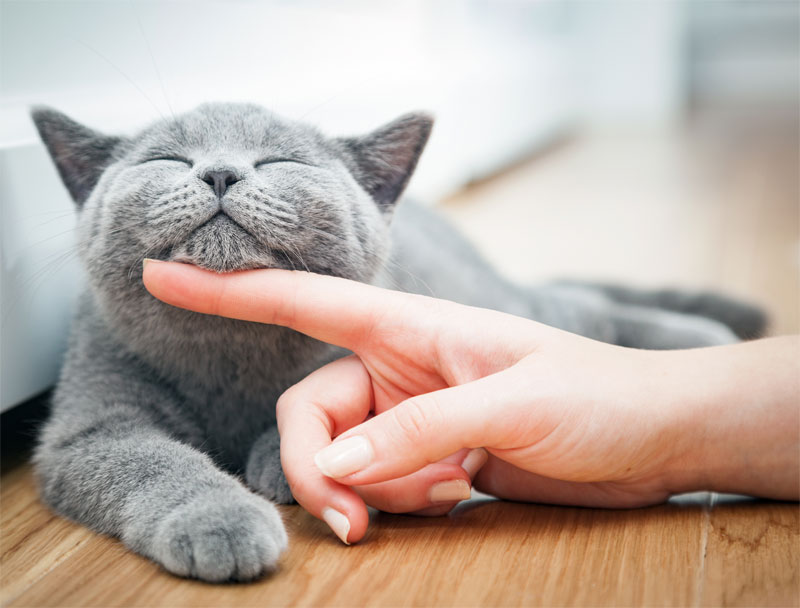
9. When your cat “boops” you, rubbing its head against you, this is not only a sign of affection but also a way for your cat to mark you as its territory.
10. When your cat gazes at you, blinking slowly, this is a sign of trust and affection.
fun-facts-about-cats-strip4

Unravel Even More Feline Fun With Our Woodland Park Veterinarian

If you’re a lover of cats, and have one or a few of your own at home, then we encourage you to establish veterinary care at Compassion Animal Hospital in Woodland Park. Our veterinarian, Dr. Cooper, loves caring for felines of all ages by providing personalized care to each unique patient.
To learn more about caring for your cats or to schedule your cat’s next veterinary exam, we welcome you to contact our office today.

How to Stop Your Cat From Scratching the Furniture

How to Stop Your Cat From Scratching the Furniture

Pets can be fairly destructive in our homes, and cats scratch for a variety of instinctive reasons like maintaining healthy claws, helping them stretch, marking their territory, and just because it seems to feel good.

However, you don’t have to live with clawed up, scratched, and torn furniture just because you love cats. There are some ways that you can help discourage your cat from destroying your nice things, without putting them in pain or at risk by having them declawed.
cat-scratching-furniture_strip1

6 Tips to Keep Your Cat From Scratching Your Furniture

cat-scratching-furniture_strip2

1. Provide Better Alternatives

Cats are going to scratch. Period. So, to discourage them from ruining your furniture, provide them with more attractive alternatives that are actually made for scratching. Add a few scratching posts to different areas of your home where your cat tends to scratch. Be sure to provide posts that offer different textures (sisal rope, carpet, cardboard, or turf) and differently angled surfaces.

2. Try Cat Scratch Tape or Spray

Special double-sided tape that sticks to furniture or specially scented sprays can discourage your cat from scratching treated furniture.

3. Homemade Deterrents

You can also try to deter your cat from scratching the furniture by hanging aluminum foil from the backs of your sofa or chairs.

4. Vinyl Guards

You can also purchase specially designed vinyl guards that are designed specifically to protect the corners of your furniture from kitty claws.

5. Nail Caps and Mittens

If your cat still hasn’t given up on the furniture, then we recommend trying nail caps or socks/mittens for your cat. Nail caps are small, plastic covers that fit over your cat’s claws, preventing them from scratching. Mittens or socks are just what they sound like, cloth covers that fit over your cat’s paws to prevent them from scratching.

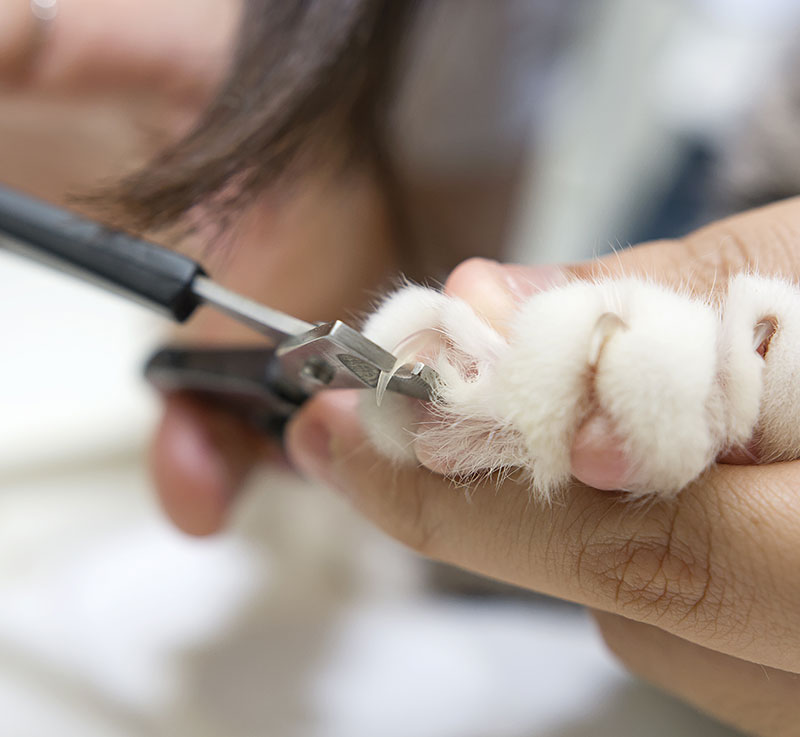
6. Trim Your Cat's Nails

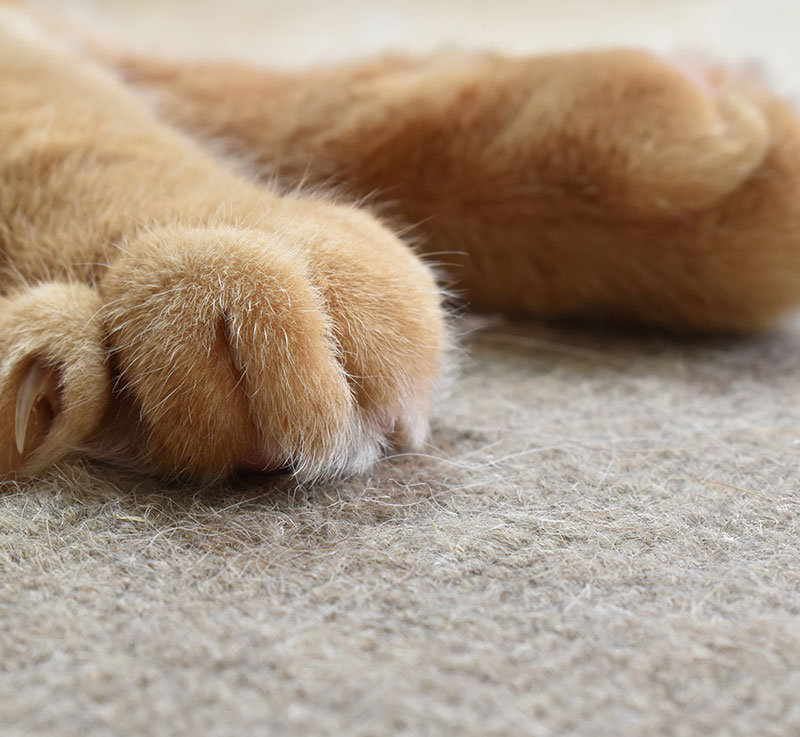
One of the reasons cats scratch is to maintain the health and length of their claws. If you keep them trimmed regularly, their paws will stay comfortable, and they won’t feel as compelled to scratch as before.
cat-scratching-furniture_strip3
cat-scratching-furniture_strip4

Feline Lifestyle Enrichment Advice From Our Woodland Park Veterinarian

At Compassion Animal Hospital in Woodland Park, we want to help all of our patients live their best animal lives, and this means providing our clients education on the proper ways to enrich their pets’ environments and daily lives. To learn more about discouraging your cat from scratching and addressing other potential behavior problems, we welcome you to schedule an appointment with our veterinarian today.

Why Do Dogs Lick Their Paws?

Why Do Dogs Lick Their Paws?

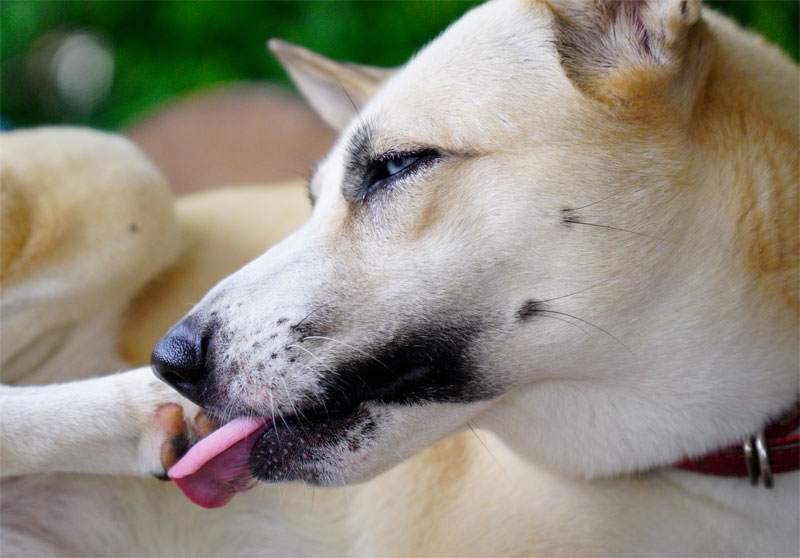
It’s normal for all dogs to lick their paws from time to time, as a part of their regular self-grooming routine. If yours, however, always seems to be licking or biting at its paws, it could be an indication of something deeper going on, and our veterinarian at Compassion Animal Hospital in Woodland Park can help you get to the bottom of it. The following are some of the more common reasons why some dogs lick their paws excessively.
why-dogs-lick-their-paws-strip1

6 Reasons Why Your Dog Might Be Licking Its Paws

why-dogs-lick-their-paws-strip2

1. Food Allergies

Dogs can be allergic to different ingredients in their food, and one of the symptoms of allergies in pets is itchy inflamed skin and paws. If your dog’s licking its paws, and they appear red or swollen, allergies could be the cause.

2. Skin Irritation

Sometimes dry weather, hot pavement, or icy sidewalks can irritate the skin on your pet’s paws. You can soothe them with a dog-safe paw balm or consider protecting your dog’s paws with booties.

3. Musculoskeletal Pain

When a dog experiences persistent pain or discomfort, they instinctively lick, chew, or bite at the location of the pain. Excessive licking can indicate arthritis or an injury affecting the area.

4. Parasites

As your dog goes out exploring the world, they can easily pick up parasites like fleas and ticks on their paws, and the parasites can easily hide between your dog’s toes. Be sure to thoroughly check your pet for parasites after playing outdoors and always use a parasite preventative medication.
Our veterinarian can help you choose one that will be safe and effective for all the residents of your household.

5. Foxtails

Foxtails are barbed seeds from foxtail plants that pose a safety concern to dogs. Dogs can get these stuck in their fur, where they then work their way into the skin of the paw, causing pain, irritation, and even infection.

6. Anxiety or Boredom

Sometimes, bored or anxious pets will groom and lick themselves excessively. Try adding more exercise and enrichment to your pet’s day.
why-dogs-lick-their-paws-strip4

Relief for Your Dog's Itching in Woodland Park

If your dog has been working on its paws more than usual or exhibiting any other unusual behavior or symptoms, we recommend scheduling a checkup with our veterinarian at Compassion Animal Hospital. We can take a look at your dog’s paws, talk with you about your dog’s lifestyle and other signs or symptoms you might have noticed, and work with you to determine and treat the underlying cause.

Choosing Healthy Food for Your Pets

Choosing Healthy Food for Your Pets

A healthy body starts with a balanced diet and good nutrition. In fact, many health conditions in pets can be addressed and improved with dietary adjustments.
Choosing food for your dog or cat, however, isn’t always as simple as choosing healthy food for yourself. Dogs and cats have different digestive systems and body chemistry than humans do, so a healthy diet for a pet doesn’t look exactly like our own.
Thankfully, there are lots of great pet food formulations available ready-to-go, complete with all the calories and nutrition your pet needs.

We recommend selecting pet food for your pet based on your dog’s or cat’s specific lifestyle, health, weight, age, size, and medical history. The following pet food brands, however, are a good place to start:
healthy-food-for-pets-strip1
healthy-food-for-pets-strip2

Top-Recommended Dog Food Brands

Top-Recommended Cat Food Brands

healthy-food-for-pets-strip4

Raiding the Pantry for Your Pet

There are a variety of human foods that make good snacks or treats for your pets, too!
Good snacks for dogs include plain, boiled chicken, rice, chopped carrots and green beans, unsalted and unsweetened peanut butter with no xylitol, watermelon (with the seeds and rind removed), blueberries, plain popcorn (no unpopped kernels), and bananas in moderation.
Cats can enjoy a snack of tuna, mackerel, chicken, or beef – be sure to avoid overly salty meats to prevent dehydration and salt poisoning. They can also enjoy cheese, bananas, and pumpkin.
Just be careful when feeding your pet human foods to be sure it doesn’t contain ingredients toxic to dogs or cats. Since their digestive systems are so different from ours, certain foods that are safe for people are actually quite dangerous for pets. Some can cause mild illness while others can be fatally toxic.

Nutritional Counseling and Weight Management With Our Woodland Park Veterinarian

If you’re struggling to find a healthy diet for your pet, if your pet is overweight, has arthritis, suffers from allergies, or has a sensitive stomach, our veterinarian can help you choose the right food to meet your pet’s unique health and nutrition needs.
To learn more about selecting pet food, treats, and nutritional supplements for your dog or cat or to schedule a nutritional counseling appointment, we welcome you to contact Compassion Animal Hospital today.

How to Tell if Your Pet is Overheating

How to Tell if Your Pet is Overheating

In the summer, pets can become overheated quickly which puts them at risk of suffering heat exhaustion (heatstroke). If not addressed promptly, heatstroke can cause permanent organ damage and even be fatal.

It’s important to learn the following signs of an overheated pet, take action to gently cool your pet down, and seek veterinary care right away.
pet-overheating_strip1
pet-overheating_strip2

Signs and Symptoms of Heatstroke in Pets

How to Cool Down an Overheated Pet

If you notice any of the above-listed signs or symptoms, take immediate action to cool down your pet gradually:
If you notice signs of heatstroke, contact our veterinarian right away.
pet-overheating_strip3

Don't Let Your Pet Overheat – How to Prevent Heatstroke

pet-overheating_strip4
The best cure for an overheated pet is to prevent it altogether. Pets can’t sweat to cool down as humans do, so it’s extremely important to take steps to prevent them from becoming too hot.
Keep your pet cool and hydrated by avoiding going outside during the hottest times.
Make sure outdoor pets have access to plenty of shade and cool, fresh drinking water.

Ask Our Woodland Park Veterinarian About an Emergency Plan for Your Pet

No one wants their pet to experience a medical emergency, but an emergency can happen when you least expect it. So, it’s always good to be prepared with an emergency care plan for your pet. To learn more about emergency care and make a plan for your dog or cat, we welcome you to talk with our veterinarian at Compassion Animal Hospital today.
pet-overheating_strip5

Choosing the Right Cat for Your Family

Choosing the Right Cat for Your Family

June marks the height of kitten season, which means there are loads of litters just waiting to be adopted. So, that’s why the month of June has also been designated Adopt-A-Cat Month to encourage cat ladies, cat guys, cat people, and cat families to visit their local animal shelters and bring home a kitten, an adult cat, or two (or more).

When you choose to adopt a cat, however, it’s important to know what you and your family are looking for, so that you can choose a new pet that will fit right into your family.
right-cat-for-your-family-strip1

Top 3 Tips for Choosing the Right Cat for Your Family

1. Children or Other Pets

Kittens are fairly adaptable, and given the right encouragement and protection, they can adapt to just about any family. However, older cats have more established personalities. Before bringing one home, find out whether a cat is good with children, other cats, or dogs if you have any in your household.

2. Age

Before adopting, consider what age of pet you want to adopt. There are plenty of kittens, adult cats, and senior cats looking for homes. Cats of all ages have plenty of love and playfulness to offer.

3. Personality

Anyone who spends any time around cats knows that they all have distinctive personalities – just like people. Generally, cats can be divided into two personality types: greeters who are outgoing and friendly and those who are shy at first. Before choosing a cat to bring home, spend some time getting to know them first.

Establish Your Pet's Care With Compassion Animal Hospital

If you decide to adopt a new pet during Adopt-a-Cat Month (or any time of the year), we welcome you to establish care with Dr. Cooper at Compassion Animal Hospital in Woodland Park. We provide personalized wellness and preventative veterinary care for cats and dogs. To learn more, contact us today.
right-cat-for-your-family-strip5

Why You Should Adopt A Senior Pet

Why You Should Adopt a Senior Pet

With their graying fur and quiet temperaments, senior dogs and cats often get overlooked in animal shelters. However, deciding to take a chance and adopt a senior pet is often one of the most rewarding choices prospective pet owners can make. Whether you’re looking for a new cat or dog to bring home, we suggest you consider a senior for the following reasons.

adopt-a-senior-pet-strip1

Top 5 Reasons Why You Should Adopt a Senior Pet

adopt-a-senior-pet-strip2

1. Trained and Socialized

Senior pets are usually already trained and socialized. This means they come home having already been housebroken and teethed. Your senior pet will be ready to fit right in with the rest of your family and friends.

2. Less Demanding

Puppies and kittens have loads of energy and require a lot of work, training, and attention. Although senior pets like to get plenty of attention, too, they won’t be quite as demanding as a brand-new baby pet.

3. Fewer Surprises

When you adopt a puppy or kitten, there’s always a chance they could develop an unexpected health problem. When you adopt a senior pet, however, you’ll already know most of the pet’s medical history and needs.

4. Still So Much Fun

Senior pets – especially dogs – still love to play games and learn tricks. They’re eager to interact with and please their human family members. So, you’ll have loads of time to teach your rescue pet new commands and playtime activities.

5. You Can Be a Hero

When you choose a senior pet, you’re picking a pet that might otherwise not get adopted and end up spending a lot of time living in an animal shelter. When you bring home a senior dog or cat, you’ll be a hero who provides an older animal with the loving home, companionship and care they deserve throughout their golden years.
adopt-a-senior-pet-strip3
adopt-a-senior-pet-strip4

Learn All About Senior Pet Care With Our Woodland Park Veterinarian

At Compassion Animal Hospital, we tailor care to meet each of our patient’s individual needs. For senior pets, this means specialized nutrition and lifestyle recommendations, frequent health screenings, and wellness and preventative care designed to keep your cat or dog feeling happy, healthy, and energetic, well into his or her golden years.
To learn more about senior pet care or to schedule an appointment for your recently adopted senior pet, we welcome you to contact Compassion Animal Hospital in Woodland Park today.

9 Signs Your Pet Feels Stressed

Is Your Pet Feeling Stressed? Watch Out for These Anxious Behaviors

Anxious and stressed pets are nothing to be ashamed about. In fact, many everyday occurrences can trigger an anxiety response in pets. Simple things like changes to the environment, package deliveries, strangers, or car trips can be enough to make a cat or dog feel uneasy.
Although stress in pets is common, it’s something that pet owners should be aware of and able to recognize the signs so they can provide comfort and corrective training to help their pets relax and be happy.
9-signs-your-pet-feels-stressed-strip1

9 Signs Your Pet Feels Stressed

1. Hiding

Stressed (or even sick) pets will often withdraw from the rest of the family. You might find your anxious dog hiding in a safe place or your fearful cat quietly tucked away under the bed.

2. Tucked Tail

Dogs instinctively tuck their tails between their legs when they feel afraid. A tall tail indicates a confident, happy pup, while a tucked one is a sure sign of a stressed dog.

3. Nose Licking

Dogs and cats both lick their noses to keep them clean and moist. However, more frequent nose licking than usual indicates anxiety.

4. Vocalization

Barking, yowling, hissing, or growling all indicate stress (and pain) in pets. Have your cat or dog examined by your veterinarian ASAP if you notice excessive vocalization.

5. Accidents

Anxious house-trained pets will often have accidents in the house or outside the litter box.

6. Destructive Behaviors

Pets experiencing separation anxiety and extreme fear often become destructive to their environments. Your pet might chew or scratch the furniture or destroy your favorite leather boots.
9-signs-your-pet-feels-stressed-strip4

7. Yawning or Panting

When your well-rested pet yawns or pants excessively, this is likely an indication of discomfort or stress.

8. Side-Eye

Eyes that bug out or show a crescent of white (reminiscent of “side-eye” in humans) indicate anxiety.

9. Puffed Fur

When your dog or cat puts its hackles up (puffs up the fur along its back), this means your pet feels threatened and fearful.

Ease Your Pet's Anxiety With Help From Our Veterinarian in Woodland Park

If your pet experiences stress during every thunderstorm, Fourth of July, whenever you leave the house, or due to another trigger, we encourage you to schedule an appointment with our veterinarian at Compassion Animal Hospital. We’ll thoroughly examine your pet to rule out any potential underlying health problems that could be exacerbating your pet’s anxiety and then help you determine the proper course of treatment. We can recommend lifestyle adjustments, medications, and additional strategies to keep your pet healthy, happy, and calm.
9-signs-your-pet-feels-stressed-strip5